Time Series Analysis of Wind Energy Production in Türkiye
by Kutlay Kızıl
Izmir Institute of Technology, June 2025
Abstract
This study presents a comprehensive time series analysis of wind energy production in Türkiye, focusing on two primary objectives: quantifying the performance degradation of aging wind turbines and developing a robust short-term power forecasting model. A national-scale Wind Farms Database (WFD) was compiled, integrating publicly available data from Turkish institutions (EPIAS, EPDK, TUREB) with ERA5 meteorological reanalysis data.
The aging analysis, conducted on a filtered dataset of 74 wind farms over a four-year period (2020-2023), revealed a statistically significant mean annual capacity factor degradation of -0.90% (95% CI [-1.04%, -0.76%]). This degradation rate did not show a significant correlation with turbine manufacturer, installation year, or other physical plant characteristics within the analyzed timeframe.
For short-term forecasting, a Long Short-Term Memory (LSTM) network was developed to be used with autoregressive inference. The model demonstrated high predictive accuracy, achieving an average 1-hour-ahead normalized Mean Absolute Error (nMAE) of approximately 6% and an R² score of 0.91.
The study concludes by providing a crucial performance degradation benchmark for the Turkish wind fleet and a validated, efficient LSTM model for forecasting. It also highlights the critical performance gap between idealized academic studies using reanalysis data and real-world applications, suggesting future work on techniques like scheduled sampling to improve model robustness against the uncertainties of autoregressive inference.
1. Introduction
The global imperative to transition towards renewable energy is more pressing than ever. Wind energy stands as a major contributor, with Türkiye's installed capacity exceeding 13.2 GW, representing a significant portion of its total renewable energy portfolio. However, the large-scale integration of this variable resource introduces challenges for grid operators and energy markets, impacting stability and operations.
This research addresses two critical aspects of wind energy operations in Türkiye:
- Performance Degradation: The operational efficiency of wind turbines naturally declines over time due to aging, a crucial factor for investors in assessing the lifecycle cost and profitability of wind projects.
- Intermittency & Forecasting: The fluctuating nature of wind requires accurate power forecasts to ensure grid balancing, optimize maintenance, and maximize economic value.
This study aims to provide a quantitative benchmark for turbine aging in Türkiye and to develop a robust, practical short-term forecasting tool.
2. Methodology
The foundation of this study is the comprehensive Wind Farms Database (WFD), a national-scale database created by integrating public data from Turkish institutions (EPİAŞ, EPDK, TÜREB) with the ERA5 meteorological reanalysis dataset from ECMWF.
2.1. Turbine Aging Analysis
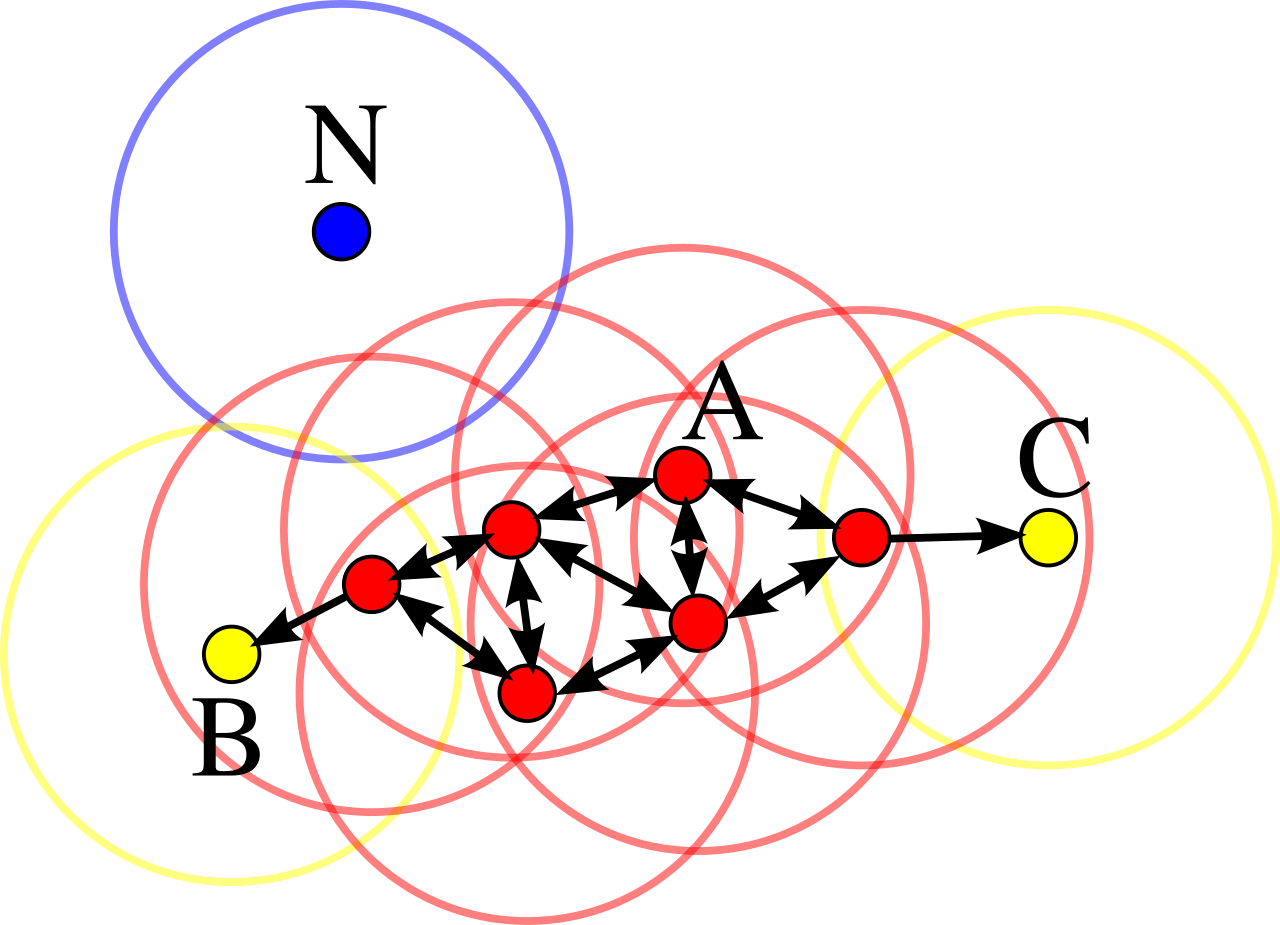
A rigorous data preprocessing pipeline was implemented. Production data from 2020-2023 was filtered based on availability. Then, a density-based clustering algorithm, DBSCAN, was employed to identify and remove anomalous data points, ensuring the reliability of the trend analysis. The annual performance degradation trend was then determined by applying a linear regression model to the capacity factor data for each farm.
2.2. Short-Term Forecasting
A machine learning model with a multi-layered Long Short-Term Memory (LSTM) network was developed. The model was trained to predict future power generation values using an autoregressive method, where the model's own recent predictions are used as inputs for subsequent forecasts. Key input features included 100-meter wind components from ERA5, calculated air density, and the lagged production value from the previous hour.
3. Results
3.1. Turbine Aging
The analysis of 74 wind farms reveals a statistically significant mean annual capacity factor degradation of -0.90%. This provides a crucial, data-driven benchmark for the Turkish wind fleet. The result is highly significant (t(74) = -12.74, p < .001) with a 95% Confidence Interval of [-1.04%, -0.76%].
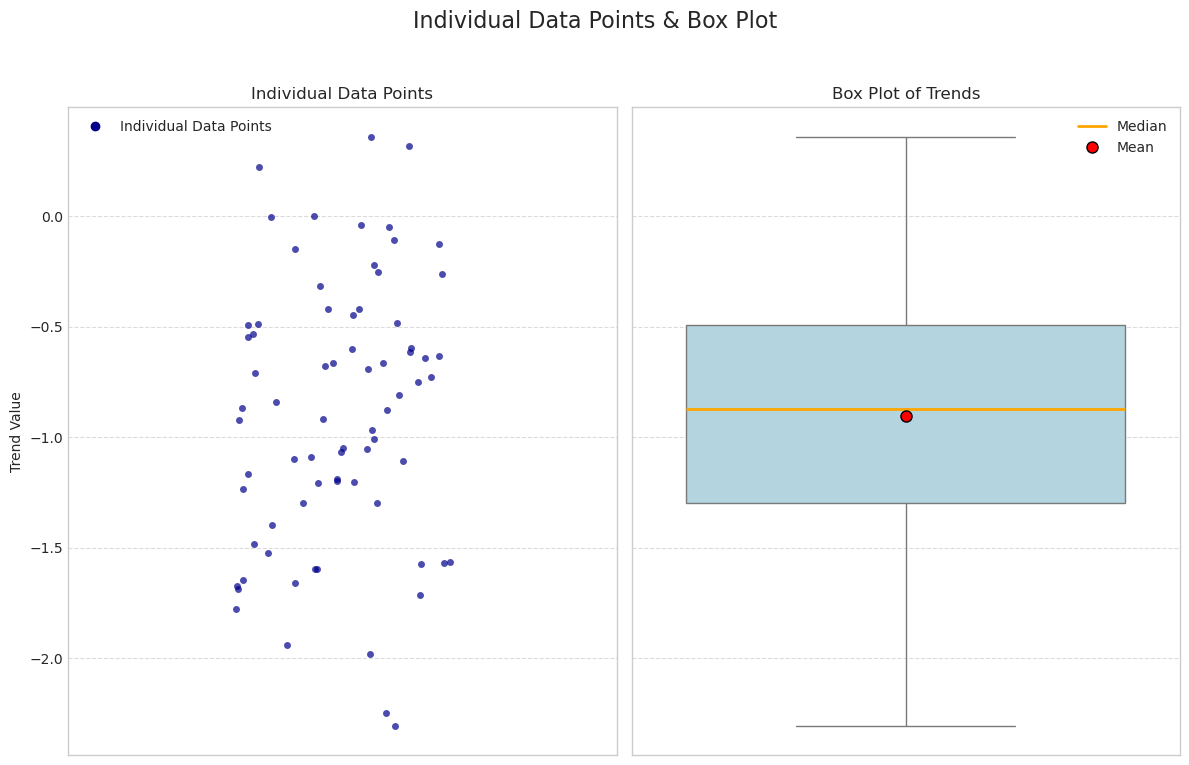
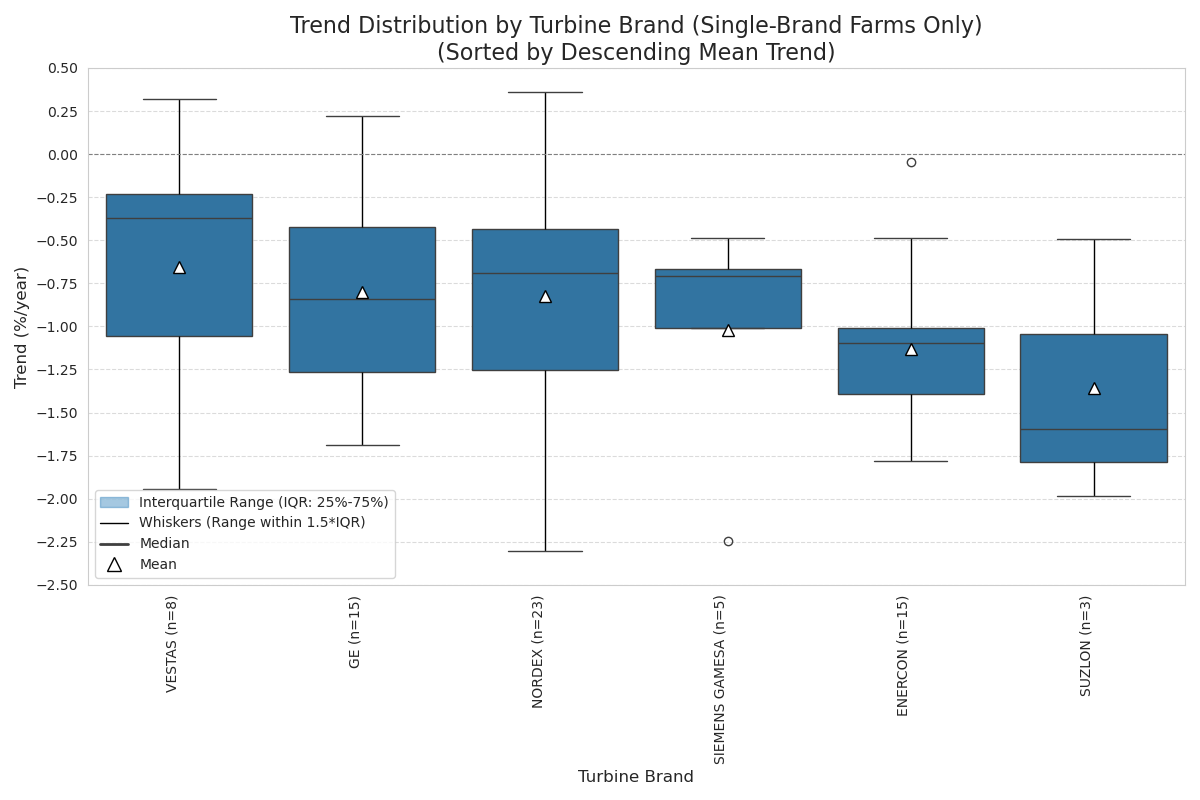
Further analysis showed no statistically significant correlation between the degradation rate and turbine manufacturer, installation year, or other physical factors within the 2020-2023 timeframe.
3.2. Production Forecasting
A systematic hyperparameter optimization process resulted in a final model with 3 LSTM layers (256-128-64 neurons). The model demonstrates high predictive accuracy, achieving an average 1-hour-ahead normalized Mean Absolute Error (nMAE) of approximately 6% and an R² score of 0.91.

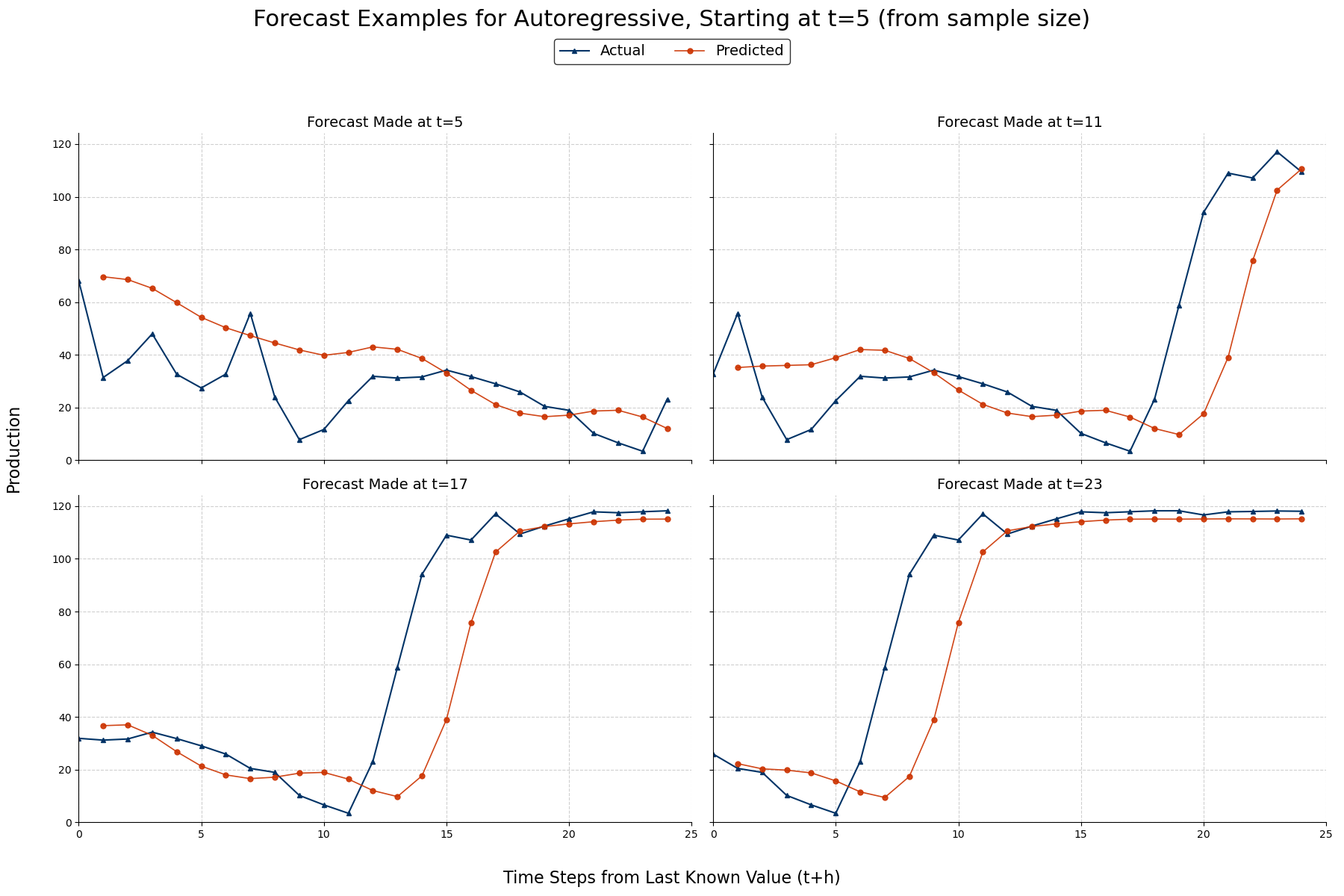
The autoregressive model exhibits a self-regulating behavior. It gives significant weight to its previous prediction, causing a delay in its response to sharp changes. However, the model has also learned to distrust its own anomalous predictions when they conflict with plausible weather data, preventing cumulative error from spiraling out of control.
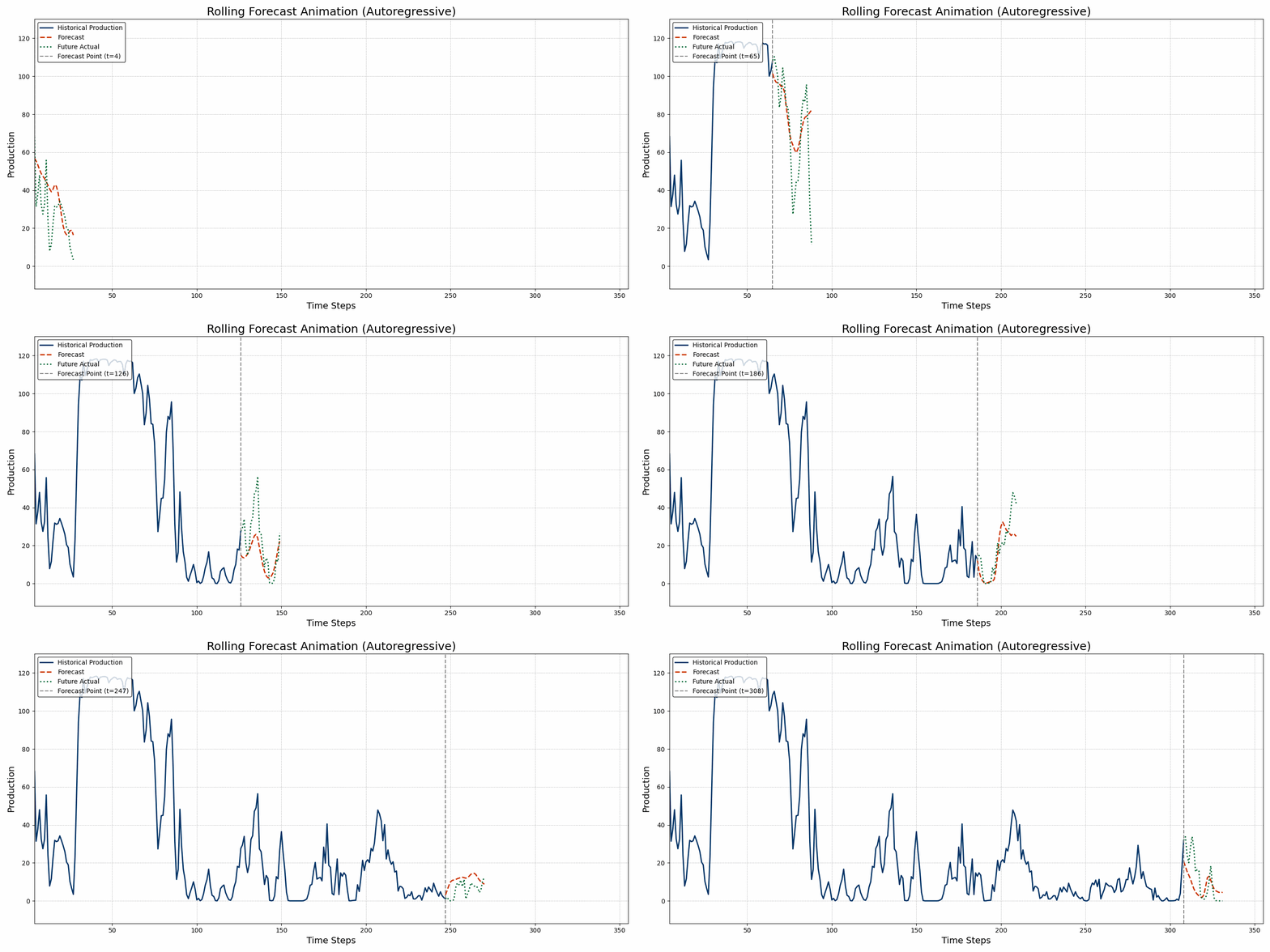
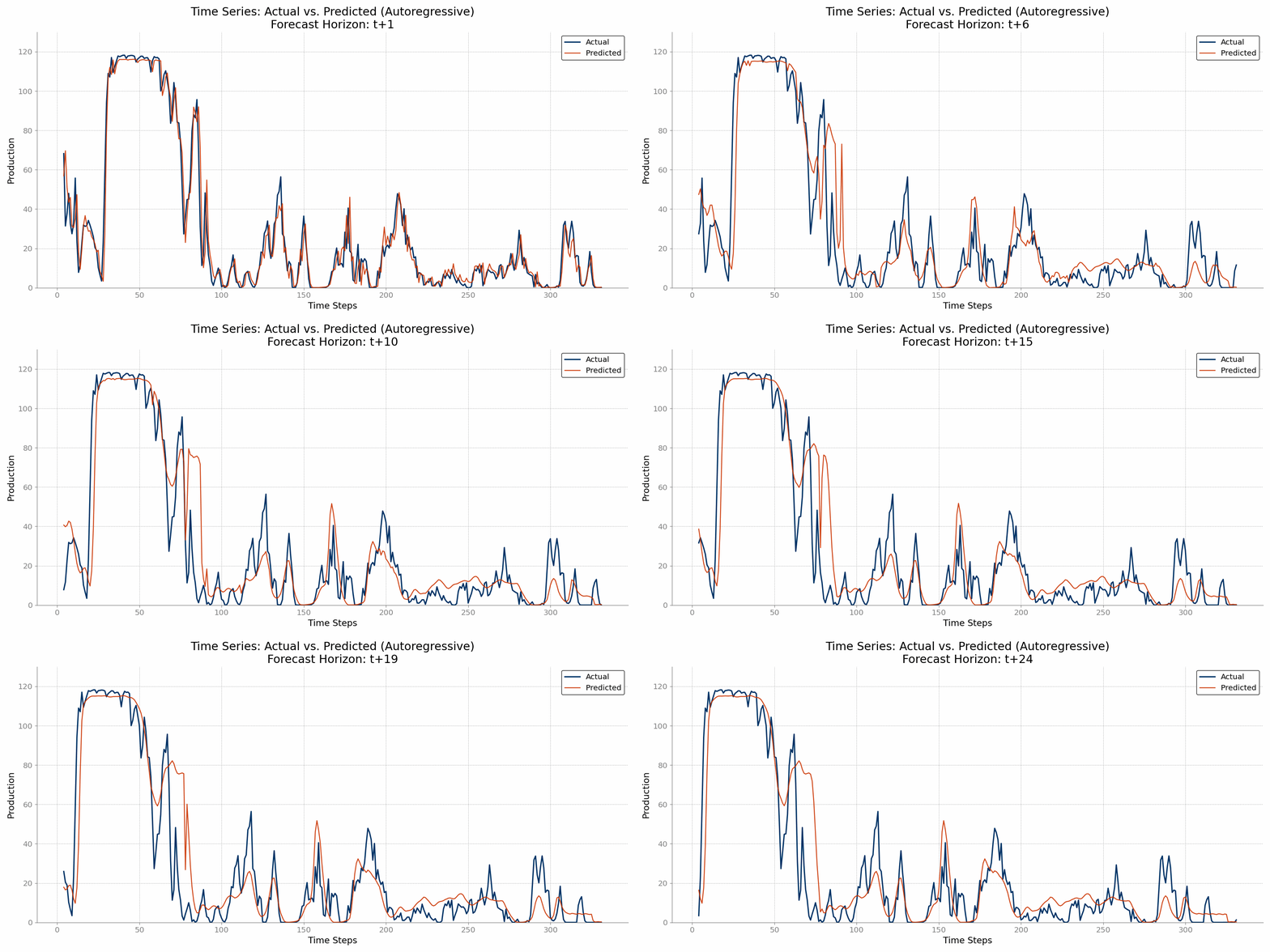
The following figures illustrate the model's behavior in different scenarios. The first set of plots shows the model accurately tracking relatively stable, high-production periods. The second set demonstrates the model's ability to capture sharp ramps up and down in generation, albeit with a slight delay, which is characteristic of autoregressive models reacting to new information.

4. Discussion
A critical limitation of this study is its reliance on ERA5 reanalysis data, which serves as a near-perfect, error-free representation of past weather conditions. This creates an idealized scenario for model training and evaluation.
A critical "performance gap" exists between these academic results and real-world applications, which must use weather forecasts containing their own inherent and growing uncertainty.
This gap means that while the model architecture is proven effective, its operational accuracy will inevitably be lower when deployed with real, imperfect weather predictions. Understanding and quantifying this gap is essential for managing expectations and for the practical application of this forecasting tool in the energy sector.
5. Conclusion
This study makes two primary contributions. Firstly, it establishes a crucial performance degradation benchmark of -0.90% per year for the Turkish wind fleet. Secondly, it presents a validated, high-performing autoregressive LSTM model for short-term forecasting, achieving a 1-hour-ahead nMAE of approximately 6% and an R² score of 0.91. The research highlights the critical "performance gap" between idealized models and real-world applications, outlining a clear path for future work.
6. Future Work
To bridge the performance gap, future research should focus on:
- Validating the model's performance using actual, imperfect weather prediction data to quantify the real-world performance drop.
- Implementing techniques like 'scheduled sampling' to train the model to be more robust to its own errors during autoregressive inference.
- Extending the aging analysis period to capture long-term effects and integrating operational data.